Division of Humanities
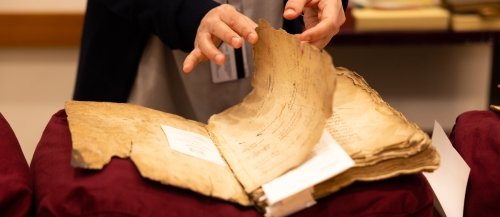
Knowledge from antiquity to the present
The faculty of the FAS Humanities division cover an expansive intellectual terrain. They are experts in history, literature, language, philosophy, and the arts. Their work asks who we are and what we might become as they make new discoveries about the past and present that will shape the future of human culture. Through collaboration, research, and teaching, they initiate conversations around the most pressing questions that humankind has addressed from antiquity to the present.
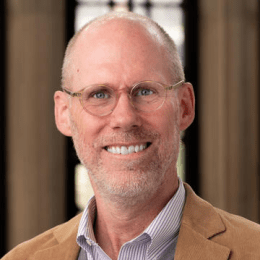
The divisional dean of the Humanities is Marc Robinson.
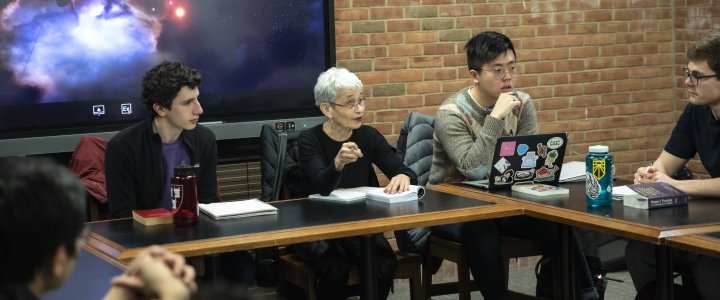
Humanities departments and programs
The FAS's 20+ humanities units cover the range of human knowledge: from English to Classics; from History of Art to Theater, Dance, and Performance Studies; from the world's languages and literatures to History. In addition, several programs are cross-divisional, bridging Humanities and Social Science.
News

Examining the hidden labor economy behind AI
In a new book, Assistant Professor of American Studies Julián Posada explores the experiences of the low-paid workers who generate the massive amounts of data needed for artificial intelligence.
An astrophysicist and a musician on waves
In the debut episode of Walk Into a Bar, Chiara Mingarelli, Assistant Professor of Physics, and Maiani da Silva, Lecturer in the Music Department, explore gravitational waves and sound waves.
FAS faculty featured in Humanitas
In this edition of Humanitas, Francesco Casetti serves on the Venice Film Festival jury, Meghan O’Rourke’s “Writing in Public” demystifies publishing, Elizabeth Hinton explores incarceration and punishment, and Marta Figlerowicz receives a translation prize.
Stephanie Newell receives IILA Distinguished Humanities Scholar Award
Stephanie Newell, George M. Bodman Professor of English, has received the International Institute of Literature and Arts (IILA) Distinguished Humanities Scholar Award in recognition of her contributions to West African literature and print culture.
Becoming better thinkers through art and culture
How does architecture affect the way we live? Does it influence our health and our healing? Fatima Naqvi, the Elias W. Leavenworth Professor of German and Film Studies in the FAS, explores these questions in her new book. She looks at how writers and directors portray the architecture of hospitals and describe their experience from the 1880s to the present. Naqvi’s scholarship lies at the intersection of architecture, literature, and film. She argues that by experiencing culture and the arts, we become better thinkers in ways that are difficult to quantify but nevertheless profound.
FAS Humanities contacts
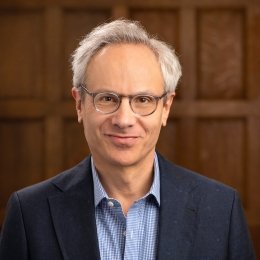
- FAS Dean of Humanities; Malcolm G. Chace '56 Professor of Theater, Dance, and Performance Studies and of English; Professor of American Studies; Professor in the Practice of Dramaturgy and Dramatic Criticism
- FAS Dean's Office
- Theater, Dance, and Performance Studies (Program)
- English
- American Studies (Program)
- Senior Associate Dean; Dean of Faculty Affairs
- FAS Dean's Office